

Laser hair removal is one of those beauty treatments that sounds wonderfully simple in theory. You book in, lie down, zap zap, and somehow never have to do the awkward shower shave again.
In real life, it is a little more involved than that.
Laser hair removal can be a great option for reducing unwanted hair, but it is still a light-based cosmetic treatment. That means your skin type, hair colour, medical history, the device being used and the experience of the person performing the treatment all matter.
So before you book your first appointment, here is what you need to know.

What Is Laser Hair Removal?
Laser hair removal uses concentrated light energy to target the pigment in the hair follicle. The aim is to damage the follicle enough to reduce future hair growth.
It is commonly used on areas such as:
- Legs
- Underarms
- Bikini line
- Face
- Arms
- Back
- Chest
Most people need multiple sessions because hair grows in cycles. One appointment will not magically delete every hair forever, no matter how much we would love that kind of admin-free life.
Is Laser Hair Removal Permanent?
Laser hair removal is better described as long-term hair reduction rather than permanent hair removal.
Some people get a major reduction in hair growth. Others still need maintenance treatments. Results can vary depending on your hair colour, skin tone, hormones, treatment area and how consistently you complete your sessions.
Hormonal changes, pregnancy, PCOS and some medications can also affect hair growth, so it is worth being realistic from the beginning.
Does Laser Hair Removal Work For Everyone?
Laser hair removal generally works best when there is a strong contrast between the hair and the skin, such as darker hair on lighter skin. Technology has improved, and some clinics can safely treat a broader range of skin tones, but not every device is suitable for every person.
This is why consultation matters. A good provider should assess your skin, hair, medical history and any risks before treating you.
If someone is promising perfect results to absolutely everyone in one session, please put your purse back in your bag.
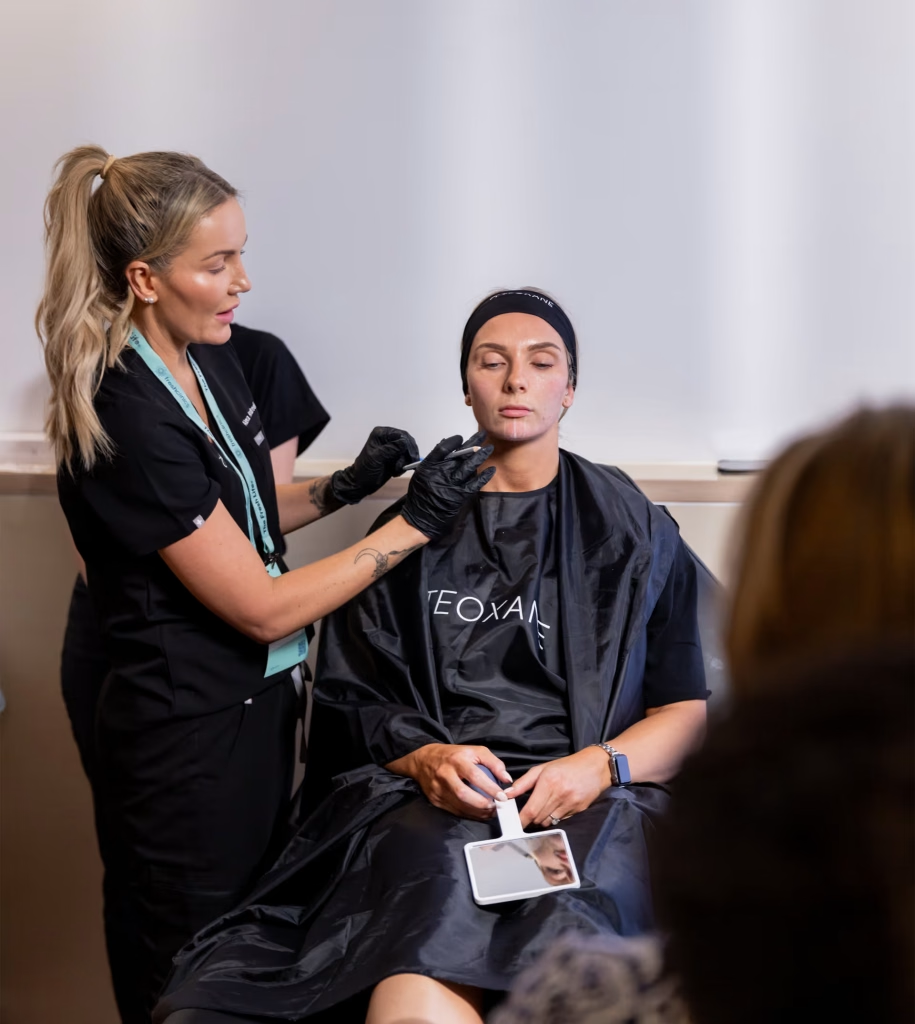
Choosing The Right Clinic Matters
Laser and IPL treatments can cause burns, scarring and eye injuries if performed incorrectly. Some operators are well-trained and experienced, while others may have limited training or poor-quality equipment.
But, it is important to remember that not everyone has the same level of experience.
This is why professional training is so important in the aesthetics industry, with providers such as Fresh Clinics offering cosmetic training to help practitioners develop their skills and knowledge.
Before booking, ask:
- What qualifications and training does the practitioner have?
- What type of device will be used?
- Is the device suitable for your skin tone and hair type?
- Will they do a patch test?
- What are the risks?
- What should you avoid before and after treatment?
- What happens if your skin reacts badly?
It is not rude to ask. It is your skin.
Laser Hair Removal vs IPL
Laser hair removal and IPL are often spoken about together, but they are not exactly the same.
Laser uses a focused wavelength of light, while IPL uses broader-spectrum light. Both are used for hair reduction, but they work differently and may suit different people.
At-home IPL devices can be convenient for maintenance, but they are not the same as professional laser treatments. If you are considering at-home options, always read the instructions carefully and check whether the device is suitable for your skin tone and hair colour.
Some at-home options include the Philips Lumea IPL 8000 Series Hair Removal Device and the PEACH™ 2 IPL Hair Removal Device. These may suit some people for home hair-reduction routines, but they still need to be used properly. This is not the time to “wing it” while watching Netflix.

How To Prepare Before Laser Hair Removal
Your clinic should give you specific preparation instructions, but common advice may include:
- Avoid waxing, plucking or threading before treatment
- Shave the area before your appointment if instructed
- Avoid fake tan
- Avoid tanning or too much sun exposure
- Tell your practitioner about medications or skin treatments
- Avoid harsh exfoliants or active skincare close to the appointment
Shaving is usually preferred before laser because the follicle needs to remain under the skin. If you need to tidy up before treatment, a gentle trimmer can be useful. Options include the Meridian The Up-Here Trimmer – Onyx, Meridian The Trimmer Original – Onyx or Meridian The Trimmer Premium – Sage.
Just check your clinic’s instructions first, because timing can matter.
Does Laser Hair Removal Hurt?
It depends on the area, your pain tolerance and the device used.
Some people describe it as a rubber band flicking against the skin. Others find it more uncomfortable in sensitive areas such as the bikini line or upper lip. The good news is that sessions are usually fairly quick, especially for smaller areas.
If you are nervous, say so. A decent clinic should talk you through what to expect instead of acting like you are being dramatic.
What Happens After Treatment?
After laser hair removal, your skin may look red or feel warm, a bit like mild sunburn. This usually settles, but you should follow your clinic’s aftercare instructions carefully.
Common aftercare advice may include:
- Avoiding sun exposure
- Wearing sunscreen on exposed treated areas
- Avoiding hot showers, saunas or heavy sweating for a short period
- Avoiding harsh exfoliants or active skincare
- Not scratching or picking at the treated area
- Keeping the skin calm and moisturised
If your skin feels sensitive, this is where gentle skincare can help. A soothing routine with products such as the Aloe Soothing Toner 250ml, Aloe Soothing Day Cream 50ml, Aloe Soothing Night Cream 50ml or an Aloe Soothing Sheet Mask may suit your post-treatment skincare routine.
Do not apply products to freshly treated skin unless your clinic says it is okay. Calm is the goal. Your skin does not need a 12-step personality crisis right after laser.

Possible Side Effects
Laser hair removal is common, but that does not mean it is risk-free.
Possible side effects can include:
- Redness
- Swelling
- Tenderness
- Temporary pigment changes
- Blistering
- Burns
- Scarring
- Eye injury if proper protection is not used
The risk is higher when the treatment is done by someone without proper training, when the wrong settings are used, or when the device is not suitable for your skin type.
Seek medical advice if you experience severe pain, blistering, signs of infection, worsening redness or anything that feels beyond normal irritation.
The Bottom Line
Laser hair removal can be a brilliant option if you are tired of shaving, waxing or playing the “how did I miss that entire strip of leg hair?” game in the bathroom.
But it is still a treatment that deserves proper care. Choose a trained provider, ask questions, follow the preparation and aftercare instructions, and be realistic about results.
Smooth skin is lovely. Safe skin is better.
Sources And Further Reading
Victorian Department of Health: Lasers, IPL and LED devices for cosmetic treatments and beauty therapy
https://www.health.vic.gov.au/radiation/lasers-ipl-and-led-devices-for-cosmetic-treatments-and-beauty-therapy
ARPANSA: Advice for consumers seeking cosmetic laser, IPL and LED treatments
https://www.arpansa.gov.au
Fresh Clinics: Cosmetic Training
https://www.freshclinics.com/en-au/cosmetic-training


That’s exactly what we’re aiming for Useful ideas, real conversations and a community where everyone can share what works for…